Currently Empty: $0.00

Simple Ways to Bring Nature Into Your Daily Routine
In our busy modern lifestyle, maintaining everyday wellness can sometimes feel difficult. Long working hours, irregular routines, stress and unhealthy habits can make it challenging to give enough attention to our overall wellbeing.
Herbal wellness offers a simple, nature-inspired approach to everyday self-care. Traditional Indian wellness practices have used herbs and plants for generations, and today many people are exploring herbal ingredients as part of their daily wellness routines.
The key is to keep your approach simple, consistent and suitable for your individual needs.
What Is Herbal Wellness?
Herbal wellness means incorporating traditionally used herbs and plant-based ingredients into a mindful lifestyle.
Herbs can be found in teas, powders, personal-care products and various wellness formulations. However, herbal products should be selected carefully, and their intended use and instructions should always be considered.
Herbal wellness works best when combined with healthy everyday habits rather than being treated as a replacement for a balanced lifestyle.
7 Simple Herbal Wellness Tips
1. Start Your Day With a Healthy Routine
A good morning routine can set the tone for the rest of your day.
Start with simple habits such as drinking water, eating a balanced breakfast and spending a few minutes away from screens. If herbal tea is suitable for you, it can also be a comforting addition to your morning routine.
The focus should be on creating a routine that you can follow consistently.
2. Explore Herbal Teas
Herbal teas are an easy way to include plant-based ingredients in your daily routine.
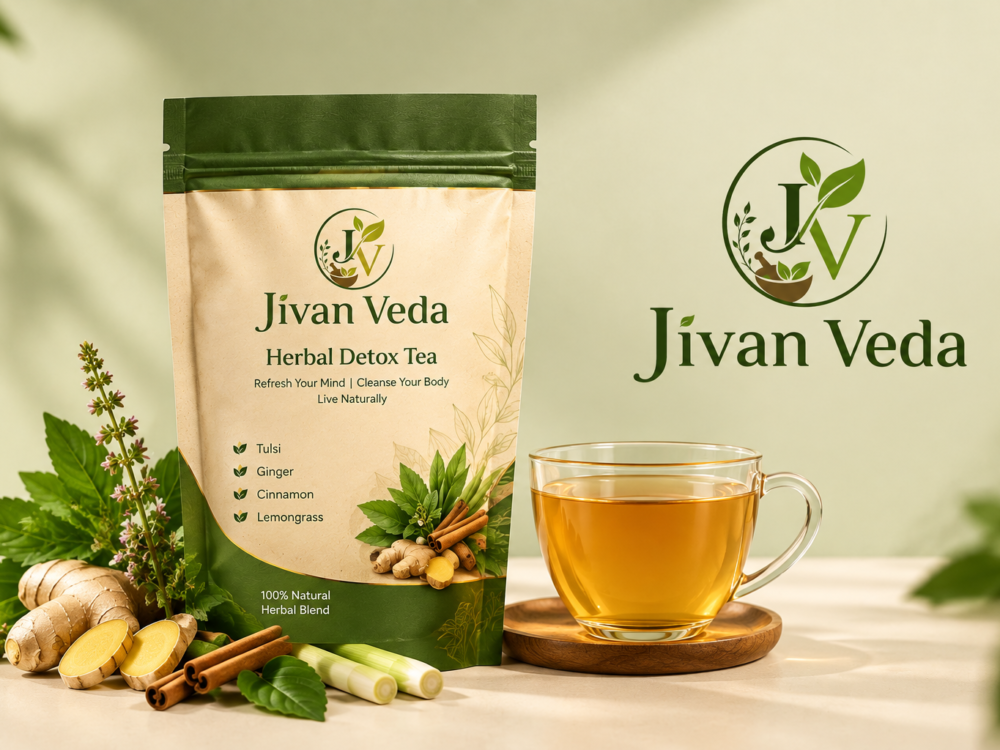
Ingredients such as tulsi, ginger, chamomile and peppermint are commonly used in herbal beverages. Different herbs have different traditional uses, so choose them according to your preferences and individual requirements.
Avoid assuming that every herbal tea is suitable for everyone.
3. Include More Natural Foods
Herbal wellness begins with your overall lifestyle.
Try to include a variety of:
Fresh fruits
Seasonal vegetables
Whole grains
Nuts and seeds
Pulses and other protein sources
Adequate water
Rather than depending on a single herb or ingredient, focus on overall dietary balance.
4. Make Time for Rest
Wellness is not only about food and herbal products.
Quality sleep and regular rest are important parts of a healthy lifestyle. Try maintaining a consistent sleep schedule and creating a relaxing evening routine.
Simple activities such as gentle stretching, reading or spending a few quiet minutes without your phone can help make your evening more peaceful.
5. Take Care of Your Skin Naturally
Your skin also deserves consistent care.
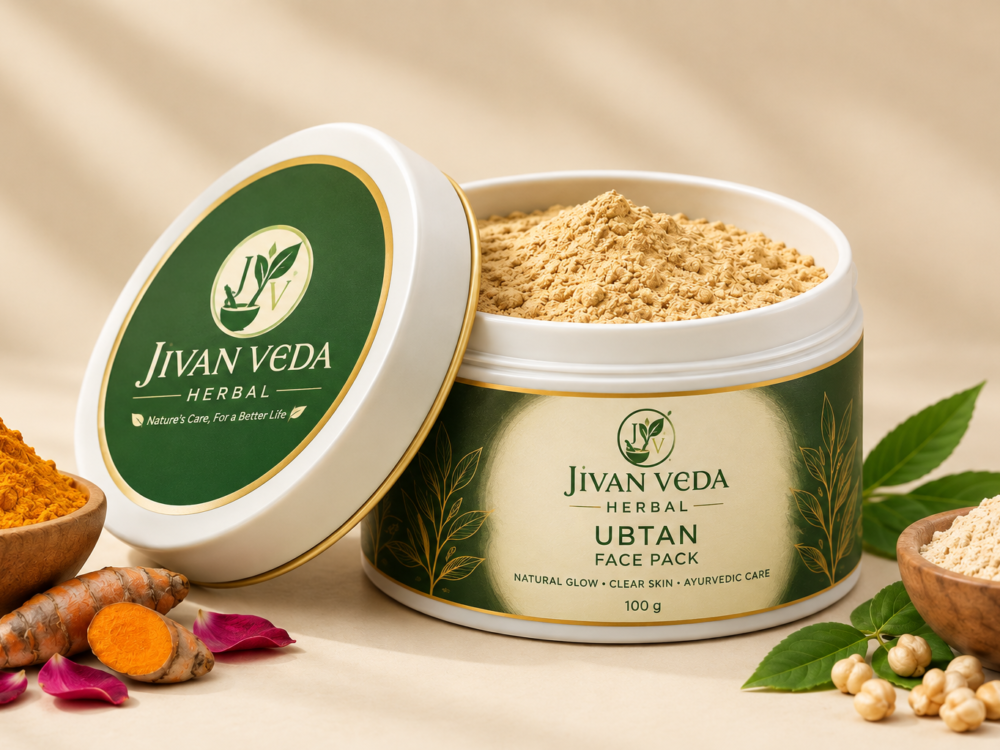
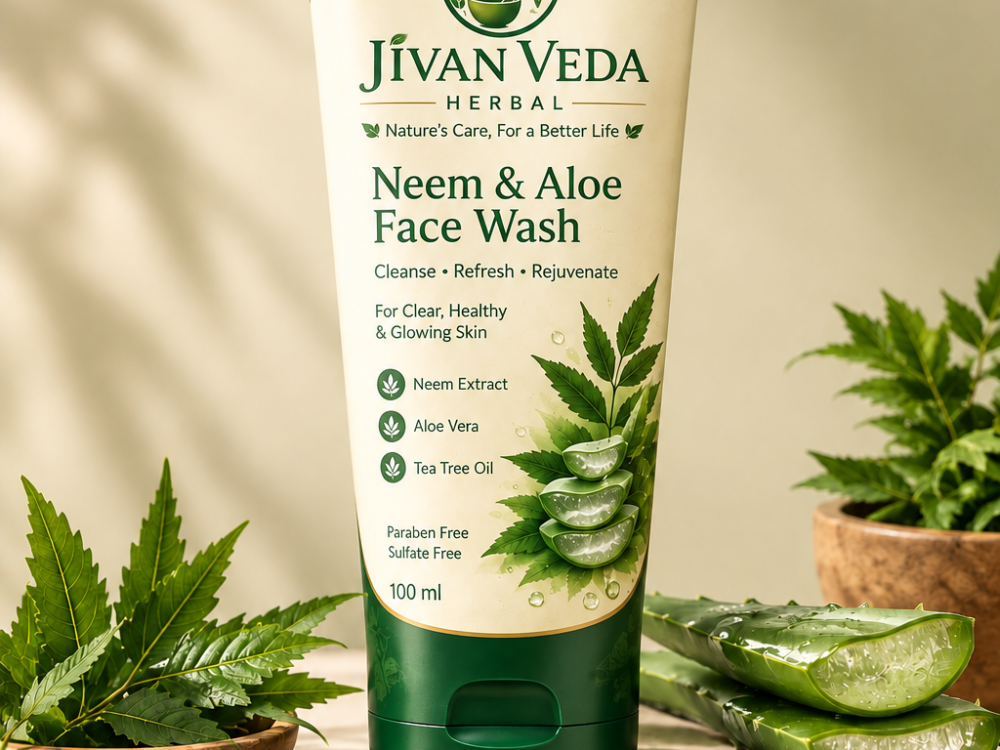
A simple routine can include gentle cleansing, moisturising and sun protection. Herbal ingredients such as aloe vera, neem and turmeric are traditionally used in various personal-care preparations.
When trying a new skincare product, check its ingredients and follow the manufacturer’s instructions. Patch testing can also be helpful when appropriate.
6. Stay Active
Herbal wellness should go hand in hand with physical activity.
Walking, stretching, yoga or another form of movement that you enjoy can become part of your daily routine.
You do not necessarily need an intense workout every day. The important thing is to find a sustainable way to stay active.
7. Choose Herbal Products Thoughtfully
Not every herbal product is right for everyone.
Before choosing a product:
Read the ingredient list
Check the intended use
Follow the recommended instructions
Purchase from a trustworthy source
Check for possible allergies or sensitivities
Seek professional advice when necessary
Natural does not automatically mean risk-free, so informed choices are important.
Popular Herbs in Traditional Wellness
Several herbs are commonly associated with traditional Indian wellness practices.
Tulsi
Tulsi, also known as holy basil, has a long history of traditional use in India and is commonly enjoyed as an herbal tea.
Turmeric
Turmeric is widely used in Indian cooking and traditional wellness practices. Its distinctive golden colour comes from naturally occurring compounds in the plant.
Ginger
Ginger is a familiar kitchen ingredient that is also traditionally used in various food and wellness preparations.
Amla
Amla, or Indian gooseberry, is traditionally valued for its nutritional qualities and is commonly used in Ayurvedic wellness and hair-care practices.
Neem
Neem has a long history of traditional use, particularly in personal-care and skincare practices.
Remember that traditional use does not guarantee that an herb will provide a particular health benefit for every person.
Create Your Simple Herbal Wellness Routine
You don’t need to completely change your lifestyle to begin.
Morning
Drink water
Eat a balanced breakfast
Choose herbal tea if suitable
Start the day with a few minutes of mindful activity
Afternoon
Eat a balanced meal
Stay hydrated
Take short movement breaks
Avoid unnecessarily skipping meals
Evening
Have a relaxing routine
Follow your skincare routine
Reduce excessive screen time
Get enough sleep
Small habits become meaningful when practiced consistently.
Herbal Wellness: Keep It Simple
The purpose of herbal wellness is not to fill your routine with countless products or supplements. Instead, it is about making thoughtful choices and developing healthier everyday habits.
A balanced diet, adequate sleep, regular movement, hydration and mindful self-care should remain the foundation of your wellness routine.
Herbal products can complement this lifestyle when selected and used appropriately.
Final Thoughts
Wellness starts with everyday choices.
From enjoying a cup of herbal tea to choosing natural personal-care products and maintaining a balanced routine, there are many simple ways to bring nature into your everyday life.
At Jivan Veda, we believe traditional herbal wisdom can be thoughtfully connected with modern living to create a more mindful approach to everyday wellness.
Start small. Stay consistent. Stay connected with nature.
Wellness Disclaimer
This article is for general educational and wellness information only. Herbal products and ingredients may not be suitable for everyone and should not be considered a substitute for professional medical advice, diagnosis or treatment. If you have a medical condition, are pregnant or breastfeeding, or take medication, consult a qualified healthcare professional before using herbal products or supplements.